
Renewable heating
Air source heat pumps
Property-led design, installation and support for air-to-water heat pumps across Kent.
Explore service →
Compare heat pumps, solar thermal, underfloor heating and the design work that makes them perform.
Property-led design, installation and support for air-to-water heat pumps across Kent.
Explore service →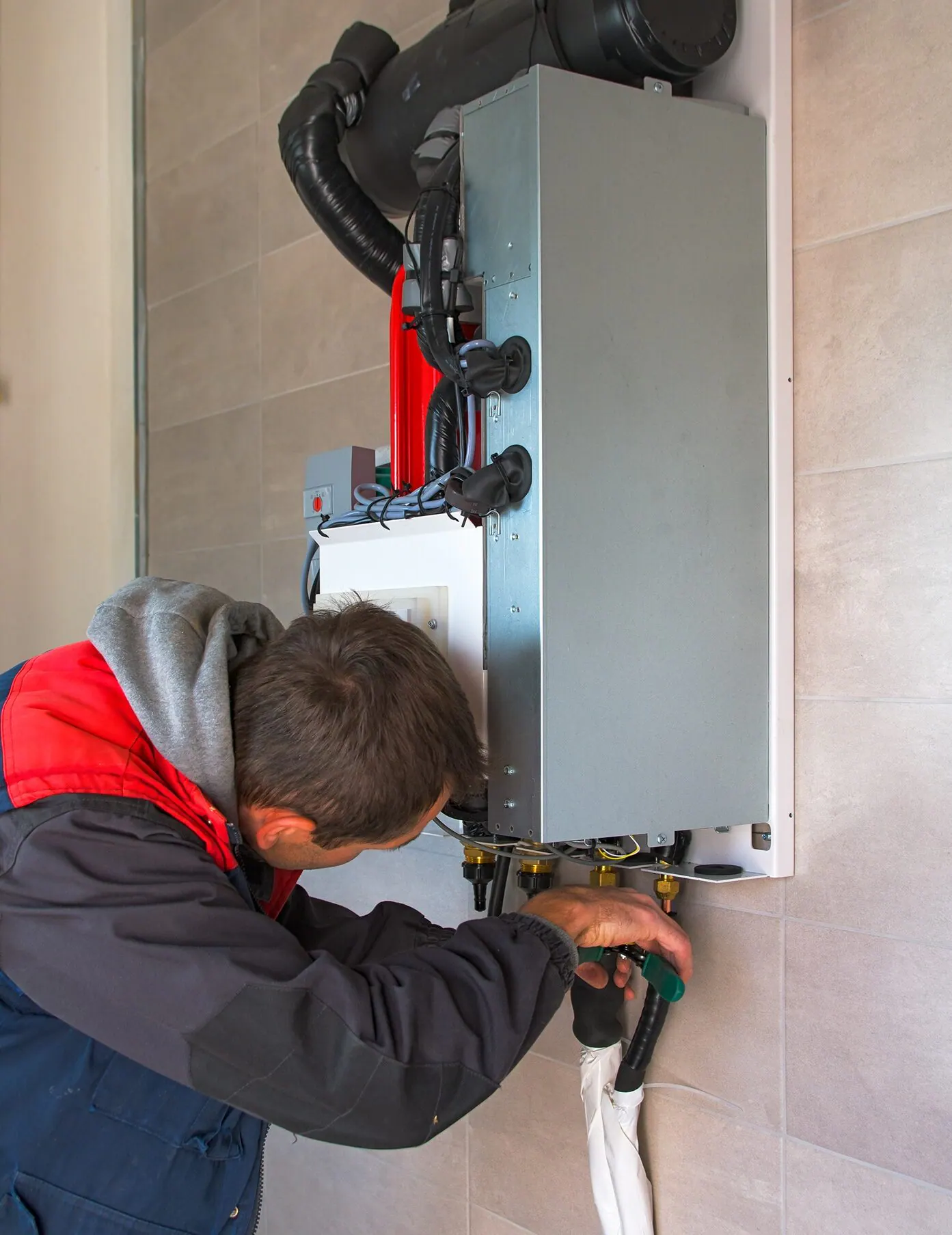
Long-term ground-source heating designed around land, geology, heat demand and the home’s emitters.
Explore service →
A measured route from suitability assessment to commissioned renewable heating.
Explore service →Structured fault finding for air-source and ground-source heating systems.
Explore service →
Planned checks that protect performance, reliability and manufacturer requirements.
Explore service →
Solar thermal assessment and integration for domestic hot-water systems.
Explore service →
Low-temperature heat distribution for renovations, extensions and new homes.
Explore service →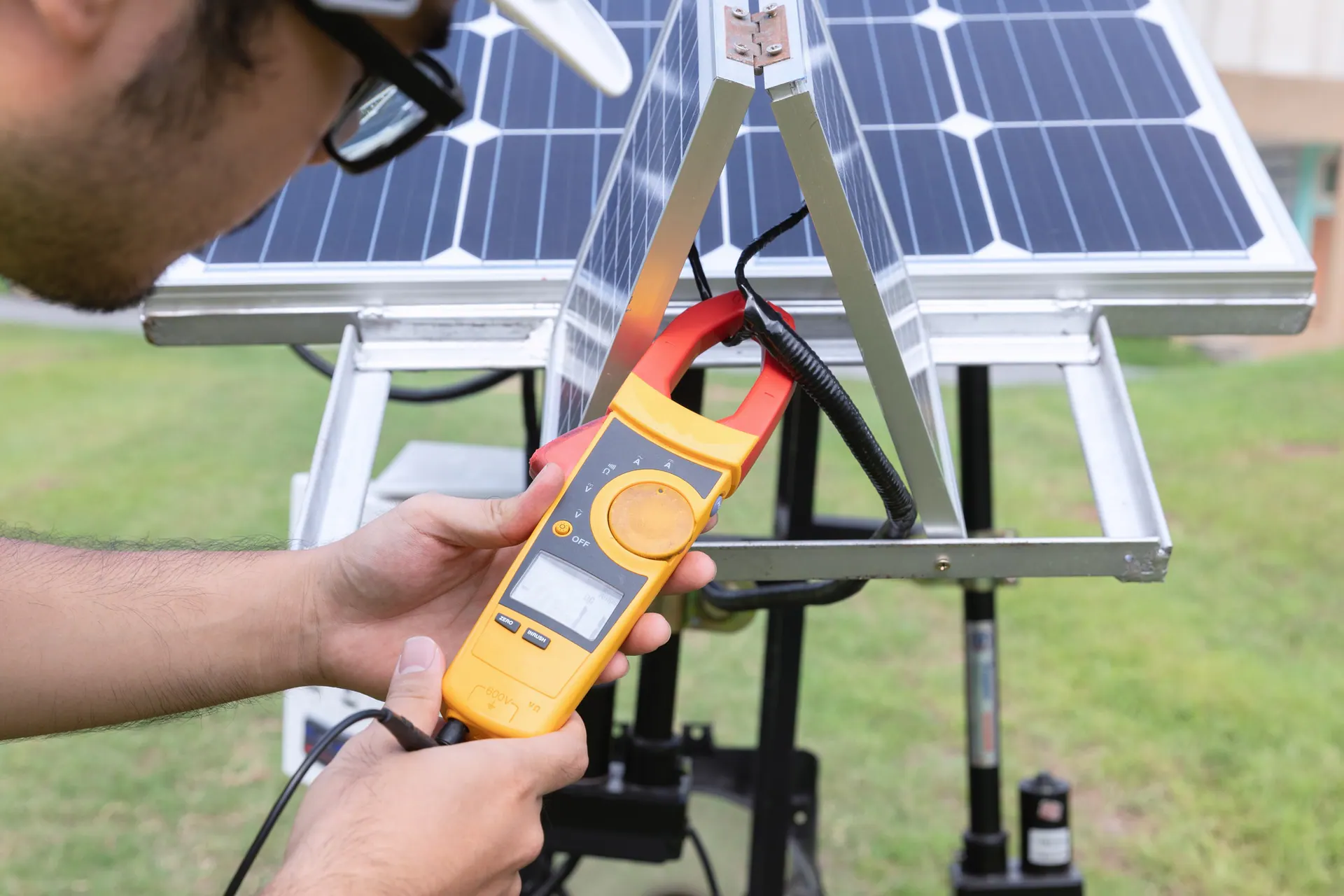
Room-by-room evidence for sizing heat pumps, emitters and controls.
Explore service →Start with the property, current system and outcome you want. We’ll help identify the right assessment.
Renewable-heating products cannot be compared fairly without the building. Room-by-room heat loss, emitter output, pipework, hot-water demand, controls, electrical supply, available plant space and the household's comfort expectations all affect the sensible route. Air source often needs less ground work; ground source needs suitable land or borehole access; underfloor heating depends on floor construction; and solar thermal is primarily a hot-water technology.
A useful first conversation identifies the decision you are trying to make. Installation enquiries need design evidence. Repair enquiries need symptoms, codes and operating history. Maintenance enquiries need equipment and service records. We explain which assessment is proportionate instead of forcing every household into the same sales journey.
Start with the outcome: replacing a fossil-fuel system, improving an uncomfortable room, diagnosing an existing heat pump, or coordinating heating with planned building work. That keeps the survey focused and makes the written recommendation easier to test.
Ask for the heat-demand basis, proposed water temperatures, emitter and cylinder changes, equipment siting, controls, electrical work, permissions, commissioning and handover. Costs should be linked to a defined scope so that quotations are comparable. Any grant allowance should identify the applicable Ofgem category and remain conditional until eligibility is confirmed.
The result is not only an installed unit. A dependable heating system needs clear responsibilities, safe access, settings the homeowner understands and a route to maintenance or fault support. Browse the individual services for the relevant checks, limitations and next steps.
Answers are shown in full so they remain useful and accessible. Property-specific decisions still require survey evidence.
If you are considering a new heat pump, start with installation and heat-loss design. If you already have a system with a fault or performance concern, choose repairs or maintenance and share the make, model and symptoms.
Yes. A heat-pump project can involve heat-loss design, radiator or underfloor changes, hot-water storage, controls and grant coordination. The scope should be defined before equipment is ordered.
Neither is automatically first. Heat demand, land, access, groundworks, outdoor siting, capital budget and household priorities determine which route deserves detailed assessment.
Sometimes. Each room’s emitter output and the pipework’s ability to carry the required flow must be checked at the proposed water temperature. A blanket yes or no is not reliable.
Send the property type, approximate age, current fuel, recent energy use if available, difficult rooms, hot-water needs, planned building work and the decision you want help making.